A method 15 years of practice and one observation
Professionals trained in de-escalation techniques can't apply them the day a situation truly gets out of hand. Not for lack of skill, but because they don't understand what's happening inside them at that moment.
- The missing linkWe needed an approach to train together what classic courses keep separate: words, body and mind.
- The co-responsibility principleWe are always, often against our will, actors in a conflict. What we have done, are doing, or are about to do, is our responsibility.
- A widely-praised approachVery different teams (gender, age, physical condition, sector) choose the ResponsAbility method to face aggressiveness and reclaim quality of life at work (QVT).
3 dimensions a single training
Why all three together?
A professional who knows the words but whose heart is racing at 160 won't say them. Another who has mastered a technical move but panics will do it badly, or too hard. The method doesn't juxtapose three courses: it interweaves them, because in the field, everything happens at once.
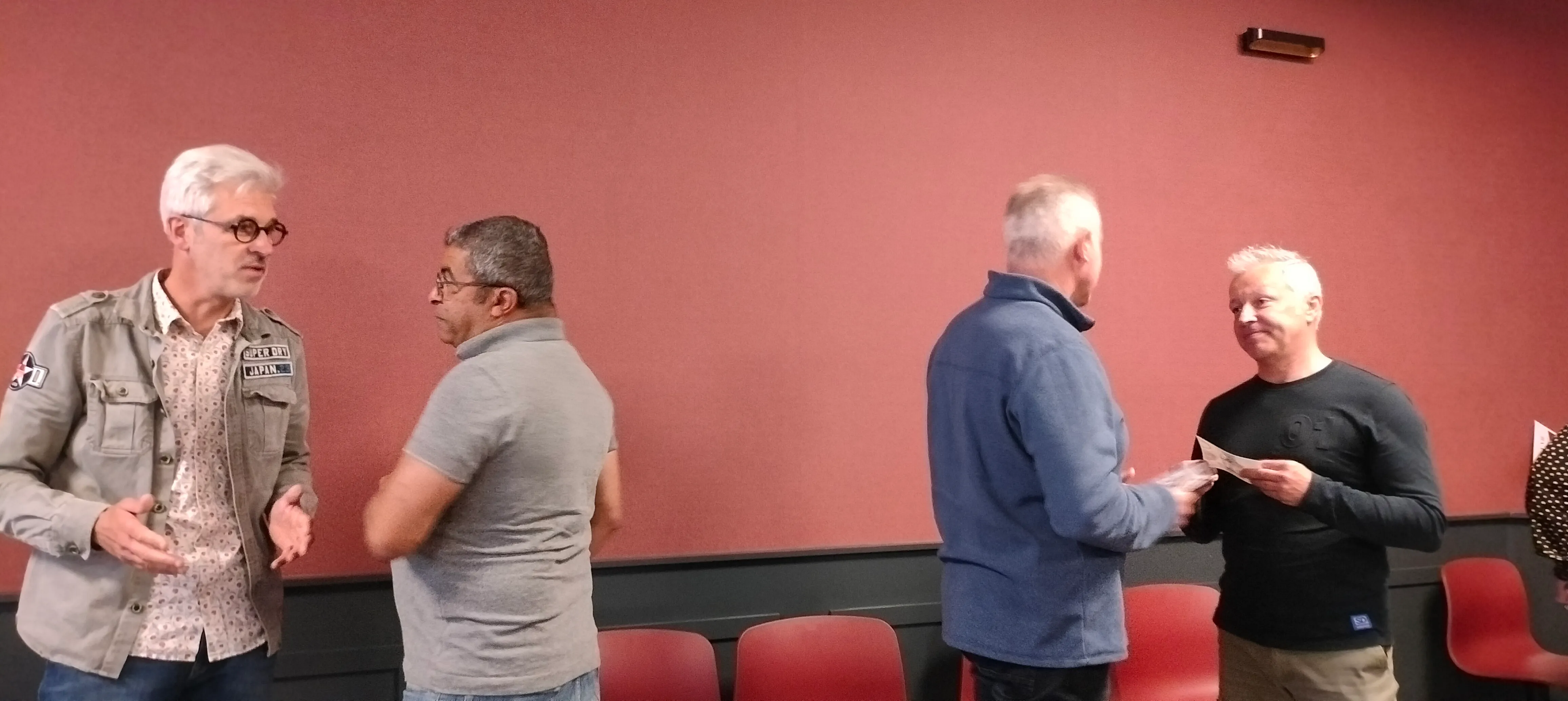
Words that defuse
What you say, how you say it, and above all what you stop saying as tension rises.
Your teams learn to bring the pressure down before the body has to take over.
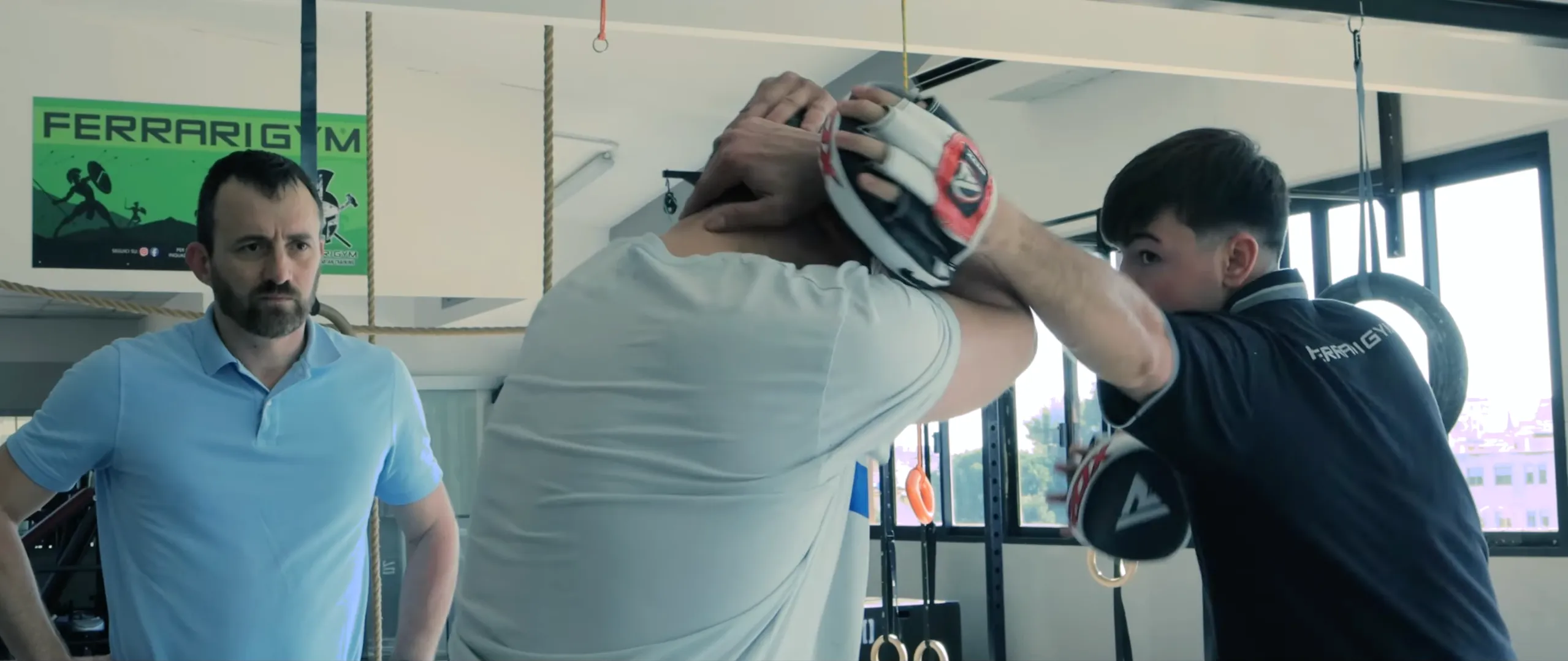
A body that protects
Simple, legal moves anyone can apply — designed to create distance and safety, never for confrontation.
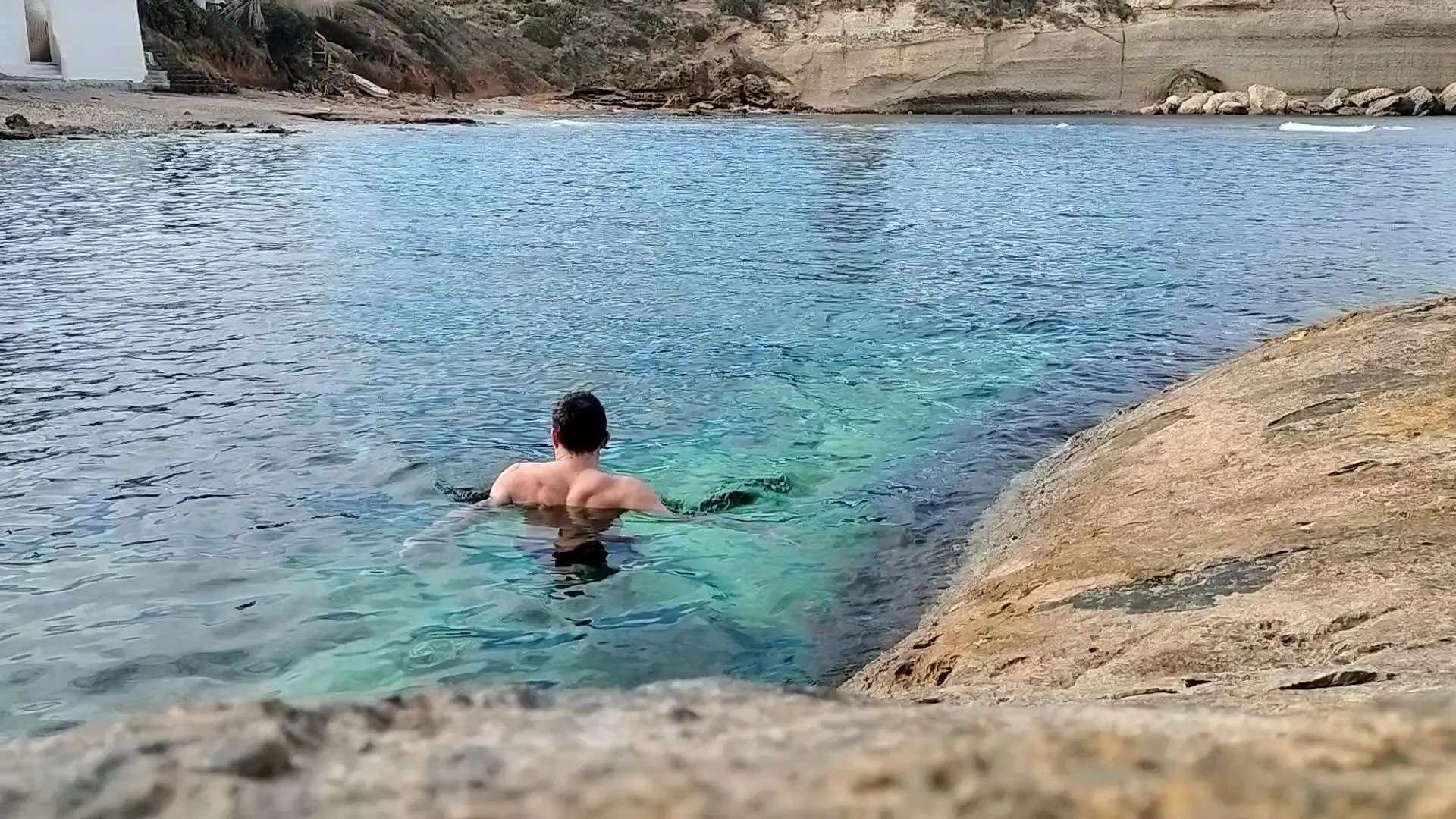
A mind that holds
Few train this. Thanks to potential-optimisation techniques drawn from the military and top-level sport, your teams learn to regulate their stress during the incident — and to recover afterwards.
A progression not a stack
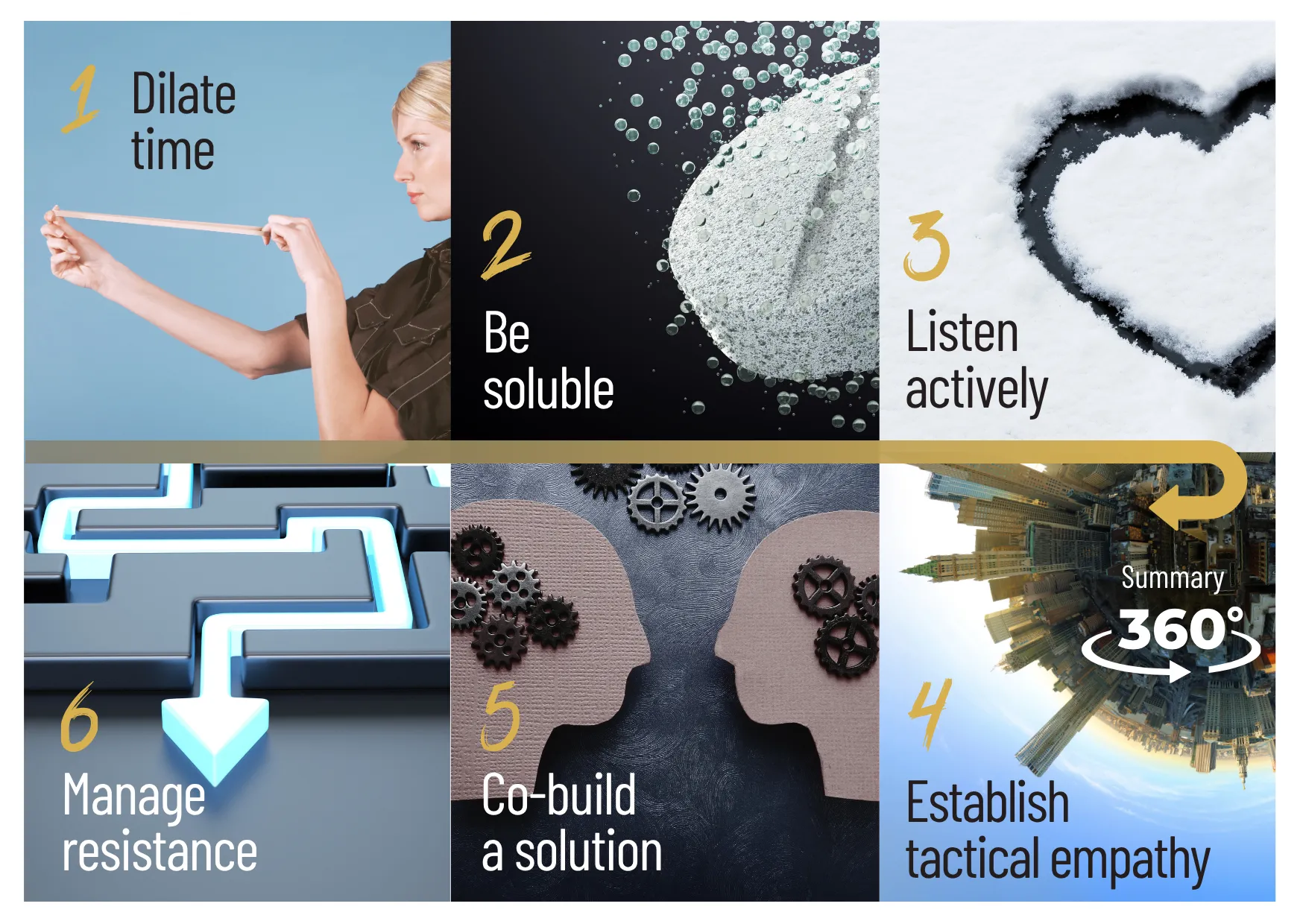
The method follows 6 steps, each one having to be mastered before moving to the next.
- 1. Dilate time
- 2. Be soluble
- 3. Listen actively
- 4. Establish tactical empathy
- 5. Co-build a solution
- 6. Manage resistance
I won't detail what each phase contains here — that's precisely what's taught in training. By the end, your teams won't just "know" the method: they'll embody it.
Non-negotiable principlesThe DNA of my courses
Safe ultra-realism
Role-play scenarios close to your real-world reality, without ever putting anyone in danger. We train the reptilian response — not a gym-class routine that collapses at the first shout.
Immediately applicable
Every technique taught works the very next day, under stress. Nothing that requires months of practice: if a move needs a year of training, it has no place in the method.
Collective safety
No one is a spectator. Everyone contributes to the group's safety according to their role, abilities and exposure to risk. The reception agent and the site manager don't have the same move to make — but they each have one to make.
Tactical communication and force as a last resort
A graduated response: firm, never brutal. Neither capitulation, which exposes you, nor unnecessary violence, which destroys — legally, humanly, professionally.
Concrete, measurable, lasting results. See the collected data
Let's talk about your teams
Every organisation has its own constraints and history. 20 minutes to understand your reality: incidents, past attempts, your teams' real needs.
No sales pitch. Just an outside perspective.
Pas encore prêt à échanger ?
Télécharger notre brochure